Decoding Compliance Mandates and Their Influence on Bonus Structures Within Mobile Gaming Platforms Across Swiss Markets
Geschrieben von Parker Lorenz · 16.11.2026

Decoding Compliance Mandates and Their Influence on Bonus Structures Within Mobile Gaming Platforms Across Swiss Markets
Swiss markets maintain a tightly regulated environment for mobile gaming platforms where compliance mandates directly shape bonus structures through specific legal requirements on wagering, payout caps, and player verification processes. Federal legislation establishes clear parameters that operators must follow when designing welcome offers, deposit matches, and loyalty rewards, which ensures alignment with national standards on responsible gaming and financial transparency. Data from regulatory filings shows that these rules have led platforms to adjust bonus percentages and eligibility criteria in recent years, particularly as mobile adoption continues to grow across the country.
Regulatory Framework Governing Mobile Gaming Bonuses
The Federal Act on Games of Chance and Casinos sets the foundation for how bonus structures operate in Swiss mobile environments, with provisions that limit the scale of promotional incentives while requiring detailed disclosure of terms. Observers note that operators integrate these mandates by capping bonus values at percentages tied to deposit amounts and enforcing minimum playthrough thresholds before withdrawals become available. Research indicates that such measures emerged from broader efforts to standardize practices across digital channels, and platforms have responded by embedding automated compliance checks into their mobile applications.
Compliance teams at leading providers track updates from the Federal Gaming Board, which issues guidance on bonus mechanics that affects everything from free spin allocations to cashback programs. Figures reveal that adjustments often occur following periodic reviews, and in November 2026 several platforms implemented revised bonus tiers to reflect updated verification protocols for new user accounts. Those who monitor these changes point to the integration of real-time reporting tools that flag non-compliant offers before they reach players.
How Mandates Shape Specific Bonus Elements
Bonus structures in Swiss mobile gaming now incorporate mandatory identity confirmation steps that delay access to promotional funds until documentation clears, a direct outcome of anti-money laundering rules embedded in national law. Platforms apply these steps uniformly across welcome bonuses and recurring promotions, which reduces the incidence of multiple account abuse while maintaining operational efficiency. Studies found that this approach has prompted developers to redesign user interfaces so that bonus claims trigger immediate compliance workflows without interrupting gameplay flow.
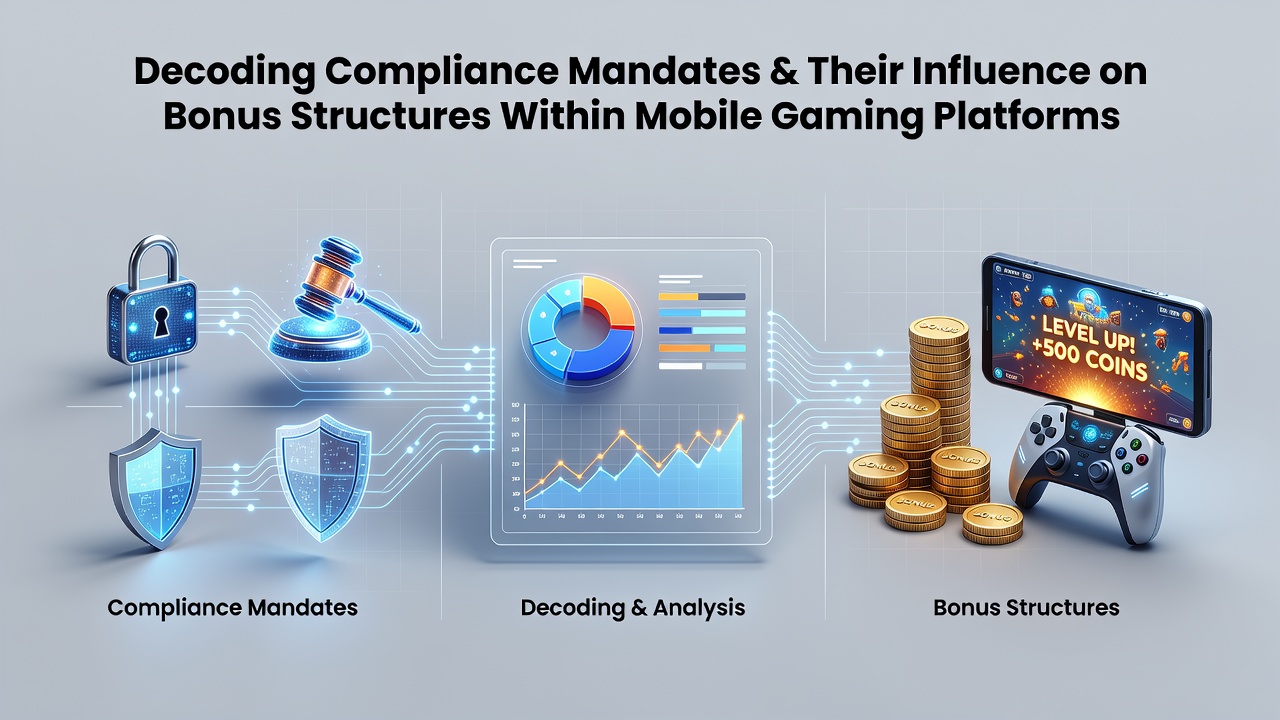
Wagering requirements receive particular scrutiny under current mandates, with regulators specifying maximum multipliers that platforms may attach to any bonus type. Operators therefore calibrate these figures to stay within approved ranges, and data shows corresponding shifts in how loyalty programs calculate reward points. Take one case where experts analyzed post-mandate reports and discovered that average bonus conversion rates stabilized after platforms introduced tiered structures that scale with verified play history rather than one-time deposits.
Comparative Influences Across Regions and Platforms
Swiss practices share certain parallels with frameworks in other jurisdictions, yet they retain distinct elements around bonus transparency that differentiate them from approaches seen elsewhere. According to federal legislative records, Swiss rules emphasize upfront disclosure of all conditions attached to bonuses, which mobile platforms satisfy through in-app popups and persistent account dashboards. This stands in contrast to systems that allow more flexible post-claim adjustments, and researchers have noted the resulting consistency in player experience across Swiss-licensed applications.
Industry reports from sources such as the Canadian regulatory summaries highlight similar emphasis on verification but differ in bonus value ceilings, which allows analysts to draw targeted comparisons when evaluating Swiss mobile adaptations. Platforms operating in multiple markets often maintain separate bonus engines to satisfy each set of rules, and evidence suggests that this modular design has become standard practice for companies active in the Swiss sector.
Recent Developments and Platform Responses
Throughout 2026, mobile gaming providers have accelerated teh rollout of compliance-focused updates that recalibrate bonus delivery mechanisms in response to refined interpretations of existing statutes. November 2026 saw several operators introduce dynamic bonus calculators within their apps that automatically adjust offers based on a user's verified status and recent activity patterns. Those who track these implementations report that the changes reduce manual oversight while ensuring adherence to payout limits and reporting obligations.
Case examples demonstrate how platforms integrate third-party auditing services to validate bonus structures before deployment, a step that has gained traction following earlier regulatory clarifications. Data indicates measurable declines in disputed bonus claims after such systems took effect, and operators continue to refine algorithms that balance promotional appeal with mandatory safeguards.
Conclusion
Compliance mandates in Swiss markets continue to exert measurable influence over bonus structures in mobile gaming by dictating parameters around value, eligibility, and transparency. Platforms respond through technical adaptations and process adjustments that align promotional features with federal expectations, and ongoing developments in late 2026 illustrate the iterative nature of this alignment. Observers continue to monitor how these patterns evolve as regulatory guidance updates and mobile technology advances.