Visual Storytelling Techniques in Slot Machines and Their Coexistence with Automated Play Pause Functions
Geschrieben von Drew Frank · 2.11.2026
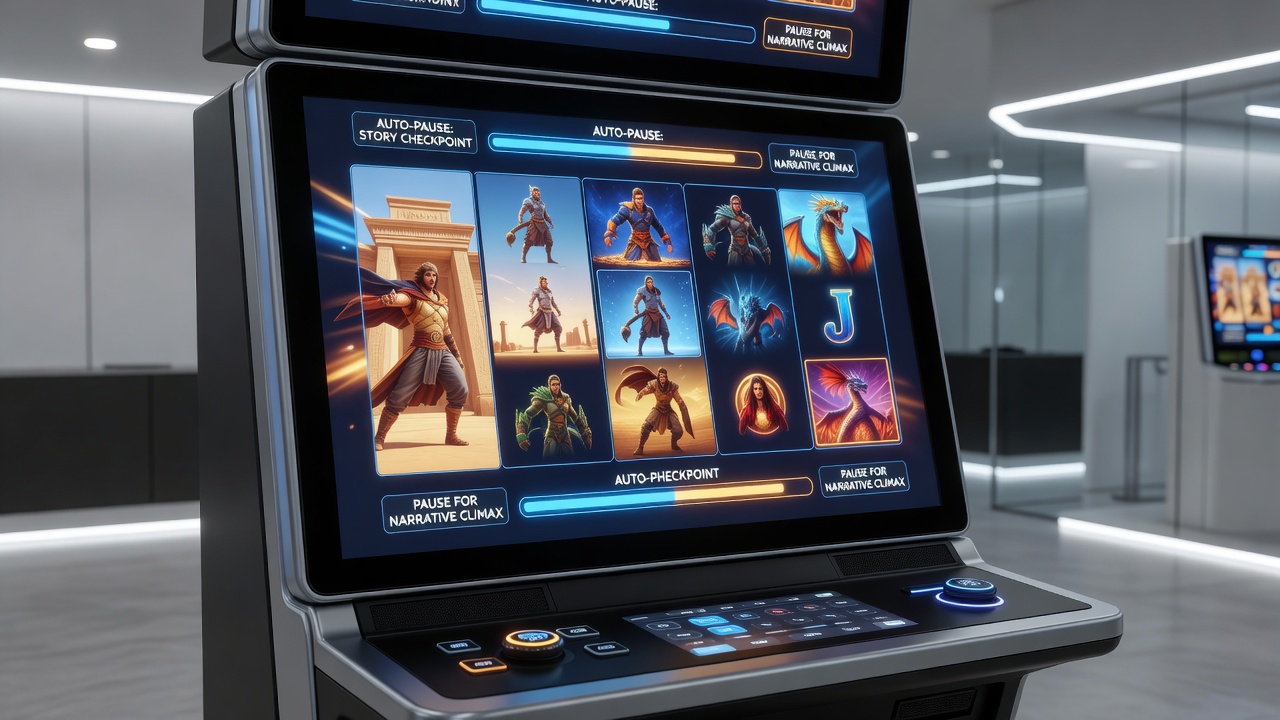
Visual Storytelling Techniques in Slot Machines and Their Coexistence with Automated Play Pause Functions
Modern slot machines rely on layered visual storytelling to build engagement across multiple spins, and these elements now operate alongside automated play pause functions that interrupt sessions based on predefined triggers. Developers construct narratives through sequential animations, character arcs, and environmental changes that unfold as players continue, while pause mechanisms activate after time thresholds, loss limits, or win caps without disrupting the underlying game state.
Core Techniques in Visual Narrative Design
Design teams employ progressive scene building where background elements evolve with each reel stop, creating continuity that spans dozens of spins, and foreground characters react to symbol combinations through short motion sequences. Observers note that studios integrate three-dimensional models with particle effects and lighting shifts to simulate cinematic pacing, allowing the story to advance even during base gameplay rather than reserving major reveals for bonus rounds alone.
Sound design complements these visuals by layering ambient tracks that change when story milestones occur, yet the visual layer remains primary for conveying plot progression independent of audio settings. Research from the University of Nevada Reno Gaming Innovation Lab indicates that players retain game themes longer when animations maintain consistent character motivations across sessions, which encourages repeat engagement without requiring manual intervention.
Mechanics of Automated Play Pause Functions
Automated pause systems monitor session metrics in real time and halt reel spins when parameters such as elapsed minutes, net loss percentages, or consecutive spins without a feature trigger are reached. These functions connect directly to the game server so that the visual state, including any ongoing narrative animation queues, remains preserved until the player resumes manually or after a mandatory cool-down interval expires.
Regulatory frameworks in several jurisdictions require these pauses to display clear status messages, and developers embed them within the same rendering engine that handles storytelling sequences. Data from the Nevada Gaming Control Board shows that integration of pause prompts with existing visual assets reduces implementation costs while maintaining compliance across multiple titles.
How Storytelling Elements and Pause Functions Operate Together
Visual continuity persists across pause events because narrative assets load into memory buffers that survive temporary halts, allowing characters to resume their reactions exactly where they left off once play restarts. This technical linkage means that a dramatic cliffhanger animation can sit on screen during the pause without advancing, which some platforms use to create anticipation that players encounter immediately upon return.

Engineers coordinate timing so that pause notifications appear in non-intrusive screen regions that do not obscure key story visuals, preserving immersion while delivering required responsible gaming information. Industry reports compiled by the Canadian Gaming Association document that titles incorporating story-driven pauses see higher rates of voluntary session extensions after the break compared with purely mechanical pause implementations.
Developments Observed in November 2026
By November 2026 several major studios had updated their shared game engines to support synchronized narrative checkpoints that align with regulatory pause intervals, enabling story beats to land precisely when a session resumes. These updates allow cross-platform consistency so the same visual sequence plays identically whether the player accesses the title on desktop or mobile, regardless of how many automated pauses occurred in between.
Testing conducted at trade events earlier that year confirmed that the combined system maintains frame rates above 60 fps even when pause overlays activate, because visual rendering pipelines remain separate from the metric-checking modules. Figures released by the Gaming Standards Association reveal that adoption of these unified frameworks increased among European operators during the final quarter of 2026.
Conclusion
Visual storytelling techniques and automated play pause functions coexist through shared technical architecture that preserves narrative state while enforcing session limits, and this integration continues to evolve as engines receive updates that coordinate both elements more tightly. The approach allows operators to meet regulatory requirements without sacrificing the continuity that keeps players invested across multiple spins.